
01 Sensitive Teeth
✓ Medically reviewed by Dr. Neel Bhatavadekar, Periodontist & Implantologist
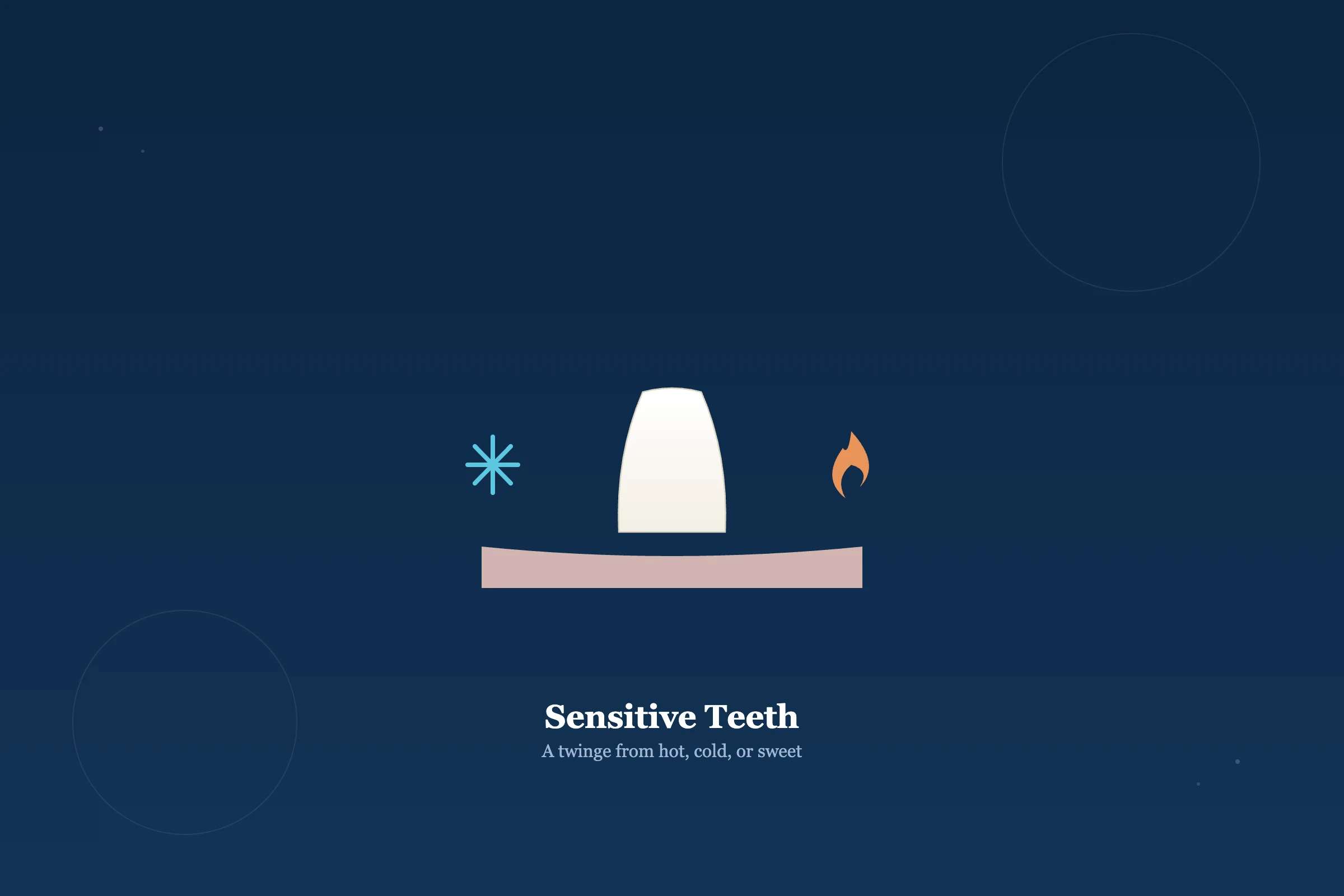
Tooth sensitivity is a short, sharp reaction to hot, cold, sweet, or even cool air, usually a sign that the protective enamel or gum covering part of a tooth has thinned or receded, exposing the more reactive layer beneath.
At Clarus Dental Specialities in Koregaon Park, tooth sensitivity is planned and delivered directly by Dr. Neel Bhatavadekar, Pune's only US Board Certified Periodontist and Implantologist.
Patients usually choose this for: a twinge from cold drinks discomfort brushing near the gumline sensitivity to sweet foods reaction to cold air
By calling or messaging, you agree to share your contact details with Clarus Dental Specialities for this enquiry.
Sensitivity that's suddenly become constant, severe pain? Call to confirm.
Quick answer: Tooth sensitivity is a short, sharp reaction to hot, cold, sweet foods, or cold air, caused by exposure of the more reactive layer of the tooth beneath the enamel or at the gumline. Common causes include enamel wear, gum recession, and, less often, decay. It's usually manageable once the cause is identified. In Koregaon Park, Pune, sensitivity is assessed and treated directly by Dr. Neel Bhatavadekar, a US Board Certified Periodontist and Implantologist.
Before You Book
But if you want treatment backed by science and done by a US Board Certified Specialist, you're in the right chair.
02 Overview
Underneath the hard enamel on the crown of a tooth, and the cementum covering the root, lies dentin, a layer with microscopic channels leading directly to the nerve. When enamel or cementum is lost or recedes, those channels become exposed, and everyday triggers like cold water or a cool breeze can reach the nerve and cause a quick, sharp reaction.
The two most common reasons this happens are enamel wear, from acidic foods, aggressive brushing, or grinding, and gum recession, which uncovers the root surface where there's no enamel at all to begin with.
Less often, sensitivity in a single tooth can be an early sign of decay or a crack rather than generalized wear, which is why sensitivity that's localized to one tooth, rather than spread across several, is worth having examined rather than assumed to be routine.
03 Urgency
Mild, generalized sensitivity is common and manageable, sensitivity isolated to one tooth deserves more attention.
04 Background
It's easy to reach for a desensitizing toothpaste and assume that solves it, and often it genuinely helps. But desensitizing toothpaste works by blocking the microscopic channels in exposed dentin, it doesn't address why the enamel or gum receded in the first place.
If the underlying cause is aggressive brushing technique, ongoing grinding, or acid erosion from diet, sensitivity tends to return, or worsen, unless that cause is identified and addressed alongside symptom relief.
Gum recession specifically is worth flagging honestly: it doesn't reverse on its own, and depending on how much has receded, it may need gum grafting rather than just a toothpaste switch.
05 Causes
These are the most frequent underlying reasons for sensitive teeth.
From acidic foods and drinks, aggressive brushing, or grinding wearing down protective enamel over time.
Receding gums expose root surfaces that have no enamel covering to begin with.
Sensitivity isolated to a single tooth can be an early sign of a cavity or a small crack.
06 Diagnosis
You'll describe which triggers cause sensitivity and whether it's localized or widespread.
Your teeth and gumline are checked for visible wear, recession, or damage.
Any tooth with isolated sensitivity is examined closely, sometimes with an X-ray, to rule these out.
Diet, brushing technique, and grinding habits are discussed as possible contributing factors.
Recommendations might include desensitizing treatment, a brushing technique adjustment, or addressing gum recession directly.
07 Cost Factors
Cost depends on individual case factors and is discussed only after examination, once the following are known:
A specific estimate is only meaningful after a clinical evaluation. This section is informational and is not a quotation.
If sensitivity hasn't improved despite trying various toothpastes, Dr. Neel is available to look closer and check for a cause that a generic product won't fix.
08 Self-Care
A desensitizing toothpaste, used consistently, can meaningfully reduce reactions over a few weeks.
A soft-bristled brush and gentle technique protects enamel and gum tissue from further wear.
Reducing frequent exposure to acidic foods and drinks helps limit ongoing enamel erosion.
If grinding is a factor, a night guard protects enamel during sleep.
09 Self-Care Limits
Being upfront about the trade-offs matters:
10 Your Visit
Your visit includes a discussion of your specific triggers and an examination of enamel wear, gum levels, and any tooth-specific concerns, so recommendations are tailored to your actual cause rather than generic advice.
11 Why This Clinic
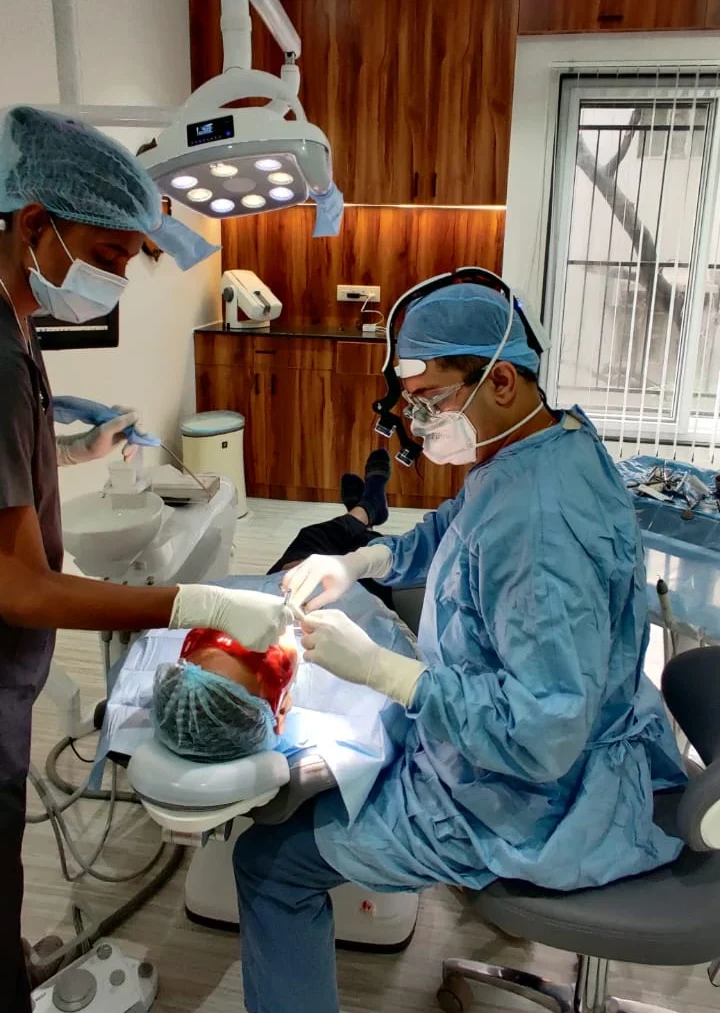
BDS (Nair Hospital Dental College, Mumbai) · Postgraduate periodontology training, University of North Carolina at Chapel Hill, USA · Diplomate, American Board of Periodontology (2008) · ITI Fellow, International Team for Implantology (2009)
Because gum recession is one of the leading causes of sensitivity, having Pune's only US Board Certified Periodontist and Implantologist, and one of only two in India, assess it directly is a genuine advantage.
A periodontist's eye distinguishes recession that needs grafting from cases that don't.
Diet, technique, and grinding are discussed alongside any product recommendations.
Sensitivity in a single tooth is checked for decay or a crack, not assumed to be routine.
The only dental clinic in Pune listed by the US Consulate Mumbai.
Patients can also read independent reviews on Google and Practo.
12 Visit Us
This dentist and dental clinic in Koregaon Park also treats patients from nearby areas of Pune. See the full Koregaon Park clinic page →
13 International Patients
Clarus Dental Specialities is the only dental clinic in Pune listed by the US Consulate Mumbai, and Dr. Neel holds a dual US-India dental license, giving NRI and overseas patients confidence in the standard of cosmetic dental care available here.
If sensitivity flares up while traveling, particularly from unfamiliar food or drinks, a quick assessment can rule out anything more serious and offer relief before you continue your trip.
14 FAQ
Recent changes in diet, a new whitening product, or aggressive brushing can all bring on new sensitivity fairly quickly.
Yes, for many people, though it manages the reaction rather than reversing the underlying enamel or gum loss.
It can be, especially when it's isolated to one tooth rather than spread across several.
Yes, exposed root surfaces have no enamel covering and are naturally more reactive to triggers.
Mild sensitivity can improve with better habits, but the underlying cause, if significant, usually needs specific attention.
Yes, grinding wears down enamel over time, a night guard is often recommended to protect against this.
When it's isolated to one tooth, lingers well after the trigger is gone, or is getting noticeably worse, these are worth an examination.
1. Clinical literature on dentin hypersensitivity mechanisms and management, indexed on PubMed Central. ncbi.nlm.nih.gov/pmc
2. Dr. Neel Bhatavadekar's peer-reviewed publications, indexed on PubMed. pubmed.ncbi.nlm.nih.gov
Call or WhatsApp the clinic directly to ask questions or set up a cosmetic dentistry consultation with Dr. Neel Bhatavadekar.
This page provides general dental information and does not constitute a diagnosis, treatment plan, or medical advice. Outcomes vary by individual case. No specific results, costs, or timelines are guaranteed. Please consult Dr. Neel Bhatavadekar or a qualified specialist for advice specific to your condition.