
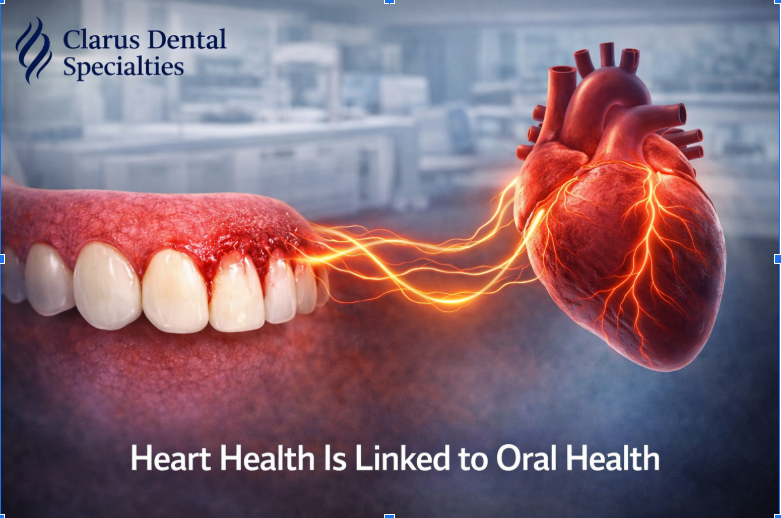
Most people think of oral health as something limited to teeth, gums, and bad breath. However, modern medical and dental research tells a very different story. Your mouth is not an isolated system—it is closely connected to the rest of your body, especially your heart. According to insights shared by Dr. Neel Bhatavadekar, a US Board-certified periodontist, inflamed and bleeding gums allow harmful bacteria to enter the bloodstream, triggering inflammation throughout the body. This systemic inflammation has been shown to increase the risk of cardiovascular disease. Simply put, what happens in your mouth does not stay in your mouth—it can directly impact your heart health.
Gum disease, clinically known as periodontitis, is a chronic inflammatory condition caused by bacterial infection of the gum tissues. When plaque and bacteria are not removed effectively, the gums become inflamed, swollen, and prone to bleeding.
Research has demonstrated that:
Dr. Neel Bhatavadekar explains that the same inflammatory response seen in gum disease can affect blood vessels and the cardiovascular system. Over time, this persistent inflammation may contribute to arterial plaque formation, increasing the risk of heart attack and stroke.
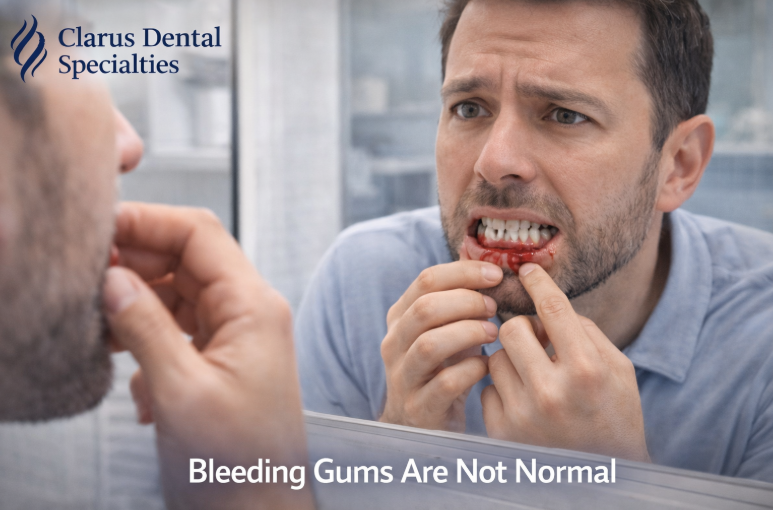
One of the most common myths in dentistry is that bleeding gums are normal—especially while brushing or flossing. In reality, healthy gums do not bleed.
Bleeding gums indicate:
As Dr.Neel Bhatavadekar, emphasises, bleeding gums are a sign that needs professional attention. When gums bleed, they provide a direct entry point for bacteria to access the bloodstream. This increases the body’s inflammatory burden, which can negatively affect heart health.
Ignoring bleeding gums doesn’t make the problem go away—it allows it to progress silently.
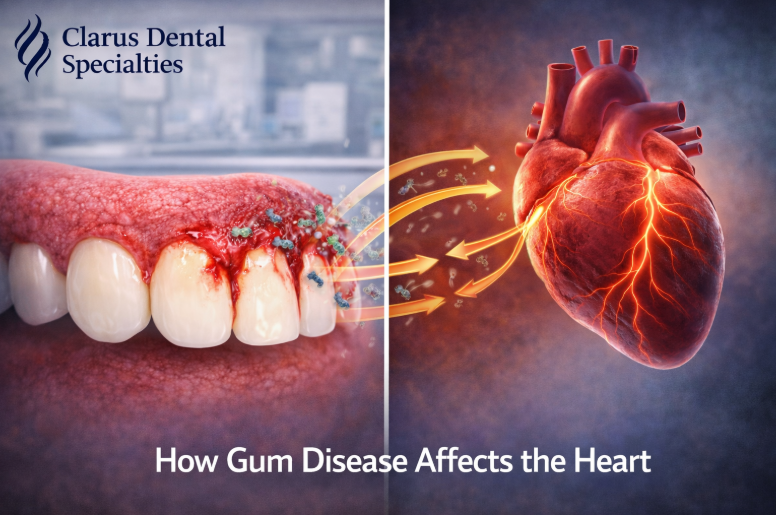
Inflammation is the body’s natural response to infection. However, when inflammation becomes chronic—as in untreated gum disease—it can harm more than it helps.
When oral bacteria circulate in the bloodstream:
This is why medical professionals increasingly recognise gum disease as a systemic health condition, not just a dental issue. The phrase often used by dentists and periodontists is worth repeating:
“What happens in your mouth doesn’t stay in your mouth.”
Oral health plays a measurable role in overall wellness, particularly cardiovascular health.

Dr. Nail raises a simple but powerful question:
“Have you been flossing properly?”
Daily oral hygiene is one of the most effective ways to control gum inflammation. While brushing cleans tooth surfaces, flossing removes plaque and bacteria from between teeth and below the gumline—areas most responsible for gum disease.
Effective gum care includes:
Consistent gum care reduces bacterial load, lowers inflammation, and helps protect both oral and heart health.
Internal linking opportunity:
Link to Preventive Dental Care or Oral Hygiene Tips from Dentists.

A periodontist is a dental specialist trained to diagnose and treat gum disease at all stages. While general dentists can identify early symptoms, periodontists focus specifically on managing gum inflammation and preventing long-term damage.
You should consult a dentist or periodontist if you experience:
Early intervention can significantly reduce inflammation and prevent complications that affect not only oral health but also overall systemic health.
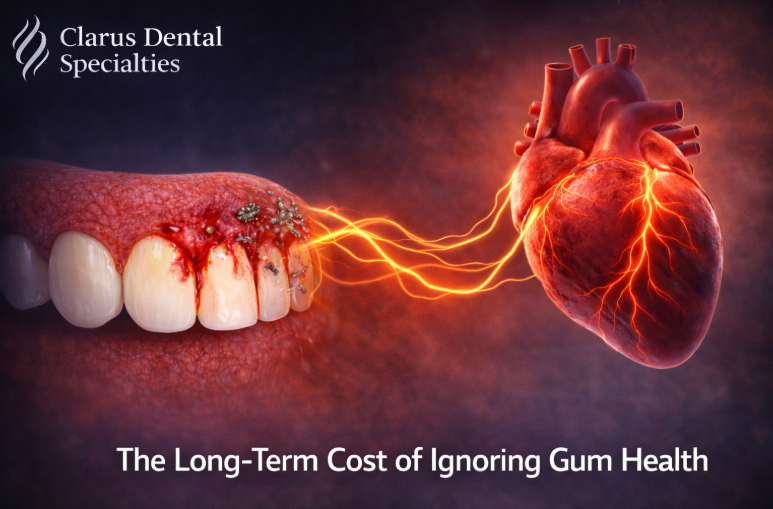
The connection between oral health and heart health highlights the importance of prevention. Taking care of your gums isn’t just about avoiding tooth loss—it’s about protecting your cardiovascular system.
By addressing gum disease early, patients can:
Dental care is no longer just cosmetic or functional—it is a critical part of preventive healthcare.
If you’ve noticed bleeding gums, gum discomfort, or signs of gum disease, a preventive dental consultation can help identify problems early—before they impact your overall health.
At Clarus Dental, the focus is on comprehensive, evidence-based gum care designed to support both oral and systemic well-being.
👉 Learn more or book a consultation at:
https://clarusdental.com/
Yes. Research shows that bacteria from inflamed gums can enter the bloodstream and increase systemic inflammation, which is a known risk factor for heart disease.
No. Healthy gums do not bleed. Bleeding is an early sign of gum disease and should be evaluated by a dental professional.
Treating gum disease reduces inflammation in the body, which may help lower cardiovascular risk over time.
A dentist can assess early symptoms, but a periodontist specialises in diagnosing and treating gum disease.
Most patients should have their gums evaluated every six months, or more frequently if symptoms are present.
Heart health and oral health are deeply connected through inflammation and bacterial pathways. As explained by Dr. Neel Bhatavadekar, inflamed and bleeding gums can trigger systemic inflammation that increases the risk of heart disease. Bleeding gums are not normal—they are a warning sign. By maintaining good oral hygiene, flossing properly, and seeking timely professional care, you can protect more than your smile. You can protect your heart. Taking gum health seriously is one of the most powerful preventive steps you can take for your overall well-being.
WhatsApp us