
01 Gum Grafting
✓ Medically reviewed by Dr. Neel Bhatavadekar, Periodontist & Implantologist
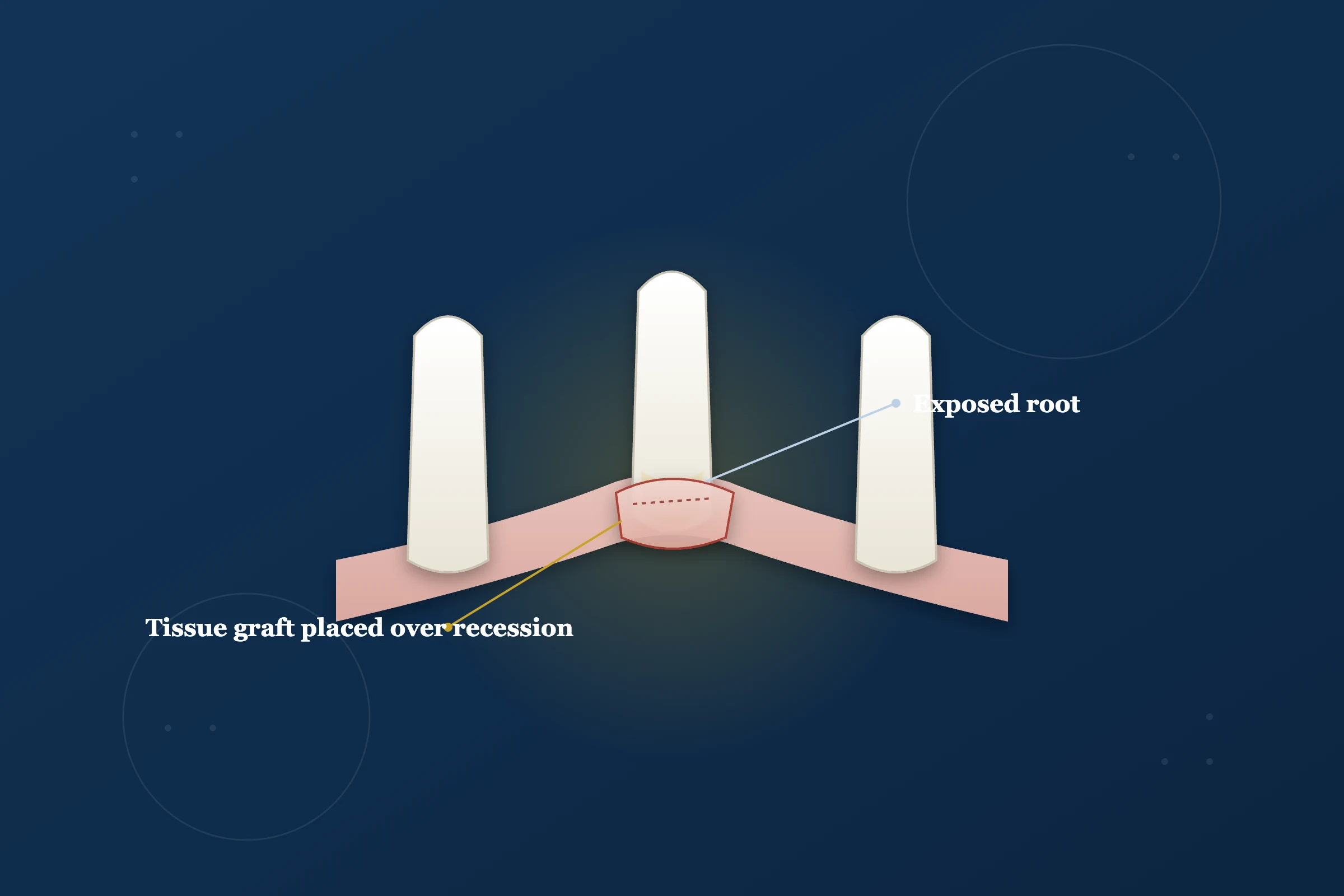
Gum grafting is a surgical procedure that covers an exposed tooth root caused by gum recession, using tissue to rebuild coverage over the root and protect it going forward.
At Clarus Dental Specialities in Koregaon Park, gum grafting is planned and performed directly by Dr. Neel Bhatavadekar, Pune's only US Board Certified Periodontist and Implantologist.
Patients usually visit us for: a tooth that looks longer than others root sensitivity to hot or cold visibly receding gums recession that seems to be getting worse
By calling or messaging, you agree to share your contact details with Clarus Dental Specialities for this enquiry.
Sudden tooth sensitivity or gum irritation? Emergency slots may be available the same day, subject to the clinic's schedule. Call to confirm.
Quick answer: Gum grafting is a surgical procedure that covers a tooth root exposed by gum recession, using soft tissue to rebuild coverage and protect the root from sensitivity and further recession. In Koregaon Park, Pune, gum grafting is performed directly by Dr. Neel Bhatavadekar, a US Board Certified Periodontist and Implantologist.
Before You Book
But if you want treatment backed by science and done by a US Board Certified Specialist, you're in the right chair.
02 Overview
Gum recession happens when the gum tissue around a tooth pulls back, exposing part of the root. Common causes include aggressive brushing, thin gum tissue to begin with, gum disease, and tooth movement from orthodontic treatment.
Once gum tissue has receded, it doesn't grow back on its own. Grafting adds tissue, taken from the palate or, in some techniques, from adjacent gum, to cover the exposed root and rebuild a healthier band of gum tissue around the tooth.
Besides protecting the root from sensitivity and further recession, grafting can also improve the tooth's appearance where recession has made it look elongated.
03 Candidacy
Whether grafting is recommended depends on how much recession has occurred and whether it's still progressing.
04 Background
Unlike some tissue in the body, gum tissue that has receded doesn't regenerate naturally once it's gone. Left alone, the exposed root remains at risk of sensitivity, further recession, and root surface decay, since it's not designed to be exposed to the mouth environment.
Grafting is the direct way to add tissue back and rebuild coverage. It doesn't happen through better brushing or waiting, the tissue needs to be surgically placed.
05 Options
The right technique depends on how much tissue is needed and whether the goal is root coverage, added tissue thickness, or both.
Tissue is taken from beneath the surface layer of the palate and placed over the exposed root, offering predictable coverage.
Surface tissue from the palate is used to build a thicker, more resilient band of gum tissue around a tooth.
Nearby gum tissue is repositioned or slid over the exposed root without a separate harvesting incision.
06 Procedure
The extent of recession is assessed and the most suitable grafting technique is planned.
The treatment site, and donor site if applicable, are numbed for comfort.
Tissue is harvested from the palate or repositioned from nearby gum, depending on the technique chosen.
The tissue is positioned over the exposed root and secured with sutures.
Healing is checked and sutures are removed at a follow-up visit.
07 Cost Factors
Cost depends on how many teeth are treated and which technique is used. It's discussed only after examination, once the following are known:
A specific estimate is only meaningful after a clinical evaluation. This section is informational and is not a quotation.
If grafting has already been suggested elsewhere, Dr. Neel is available to review your case and share an independent periodontal assessment.
08 Aftercare
Some swelling or discomfort at the graft site, and donor site if applicable, is normal and manageable with medication.
A soft diet and avoiding brushing directly over the graft supports healing while sutures remain.
Sutures are removed and the graft site is checked to confirm it's healing well.
The graft continues to mature and integrate with surrounding tissue over time.
09 Limits
Setting realistic expectations matters, particularly since recession is often a visible, personal concern:
10 Your Visit
The first appointment includes an assessment of the extent of recession and a discussion of which grafting technique, if any, suits your case, along with what's likely driving the recession in the first place.
11 Why This Clinic
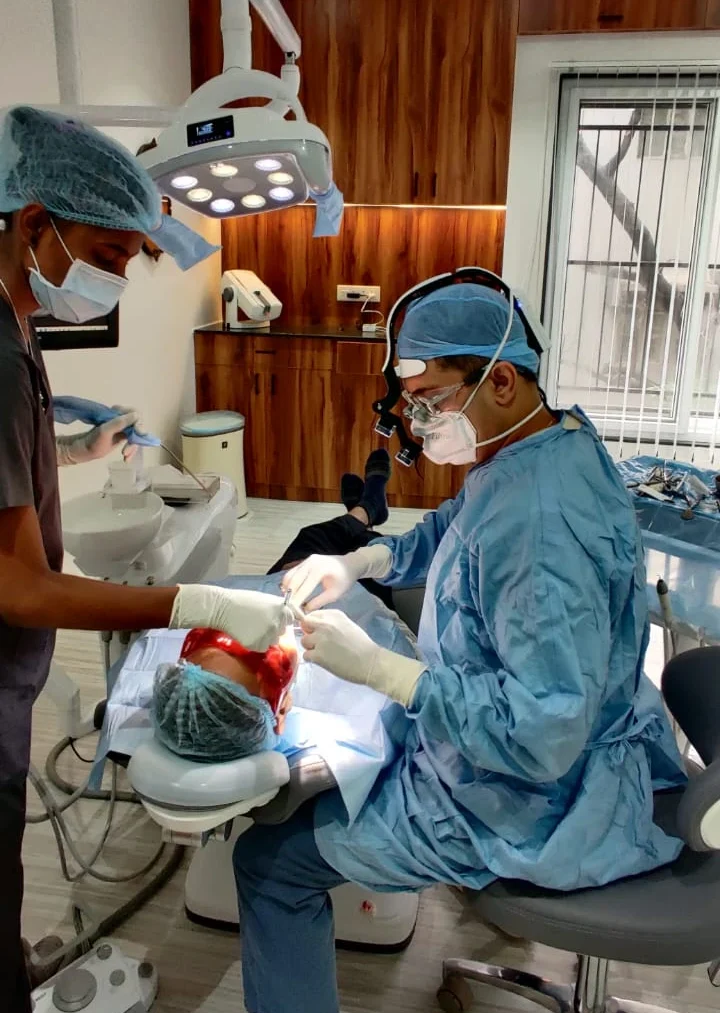
BDS (Nair Hospital Dental College, Mumbai) · Postgraduate periodontology training, University of North Carolina at Chapel Hill, USA · Diplomate, American Board of Periodontology (2008) · ITI Fellow, International Team for Implantology (2009)
Soft tissue grafting sits within Dr. Neel's core periodontal practice, work grounded in his standing as Pune's only US Board Certified Periodontist and Implantologist, and one of only two in India.
The grafting approach is chosen for what each site actually needs.
What's driving the recession is discussed, not just the graft itself.
Realistic expectations on root coverage are set before treatment, not after.
The only dental clinic in Pune listed by the US Consulate Mumbai.
Patients can also read independent reviews on Google and Practo.
12 Visit Us
This dentist and dental clinic in Koregaon Park also treats patients from nearby areas of Pune. See the full Koregaon Park clinic page →
13 International Patients
Clarus Dental Specialities is the only dental clinic in Pune listed by the US Consulate Mumbai, and Dr. Neel holds a dual US-India dental license, giving NRI and overseas patients confidence in the surgical periodontal care available here.
Gum grafting involves a healing period with suture removal typically within one to two weeks, which is usually manageable within a normal Pune visit, though full graft maturation continues over a longer period after you've returned home.
14 FAQ
Common causes include aggressive brushing, naturally thin gum tissue, gum disease, and tooth movement from orthodontic treatment. Often more than one factor is involved.
The procedure is performed under local anaesthesia, so it isn't painful. Some discomfort at the graft site, and donor site if applicable, is normal for a few days afterward.
Most commonly from the palate. Some techniques instead reposition tissue from the gum next to the affected tooth, avoiding a separate donor site.
Sutures are typically removed within one to two weeks, though the graft continues to mature and fully integrate with surrounding tissue over several weeks to months.
Grafting can improve the appearance of a tooth affected by recession by covering the exposed root, though the degree of improvement depends on how much recession is present.
No. Gum tissue that has receded doesn't regrow on its own. Grafting is the procedure that actually adds tissue back to cover an exposed root.
It can, particularly if the original cause, such as brushing technique, isn't also addressed. This is discussed as part of treatment planning to support a lasting result.
1. Clinical literature on gum recession and grafting techniques, indexed on PubMed Central. ncbi.nlm.nih.gov/pmc
2. Dr. Neel Bhatavadekar's peer-reviewed publications, indexed on PubMed. pubmed.ncbi.nlm.nih.gov
Call or WhatsApp the clinic directly to ask questions or set up a periodontal consultation with Dr. Neel Bhatavadekar.
This page provides general dental information and does not constitute a diagnosis, treatment plan, or medical advice. Outcomes vary by individual case. No specific results, costs, or timelines are guaranteed. Please consult Dr. Neel Bhatavadekar or a qualified specialist for advice specific to your condition.